
SLIDE 1
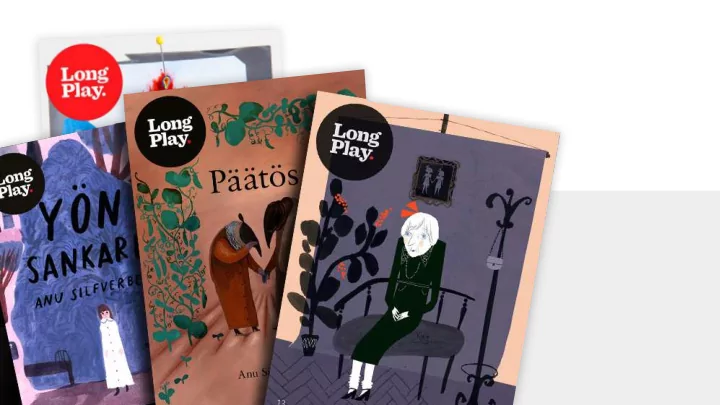
How and when was the outlet established? 2011 2012 JAN 2013 - - PowerPoint PPT Presentation
How and when was the outlet established? 2011 2012 JAN 2013 SUMMER 2013 Two people con - Eight experienced The Long Play company was created and 250 000 compe - ceived the idea for journalists (many website launched tition award from
2012 Eight experienced journalists (many working for big Finn- ish media) started an
Hitaan journalismin yhdistys (association for slow journalism) 2011 Two people con- ceived the idea for Long Play Applied unsuc- cessfully to sever- al foundations for funding (->linked huffpost article) JAN 2013 The Long Play company was created and website launched Start-up tab: $600 – covered the illustrator for their fjrst book, server space and print- ing of promotion fmyers (“even the drinks for the obligatory launch party were spon- sored”) Start-up team was comprised of journal- ists → didn’t have to pay upfront for content creation First story (about international soccer cor- ruption in Finnish Lapland): sold around 500 single articles à 4,90€ → enough money to cover the costs Next story (Himasen etiikka) sold around 5000 → enough initial capital to continue SUMMER 2013 250 000€ compe- tition award from Helsingin Sanomain Säätiö (foundation of a big newspaper) - for a completely new way of working in Fin- land & the success of the fjrst stories
How and when was the outlet established?
Who were they key fjgures?
Reetta Nousiainen Riku Siivonen Ilkka Pernu Antti Järvi Hanna Nikkanen Ilkka Karisto Johanna Vehkoo Anu Silfverberg
What sparked the idea of creating an outlet like Long Play?
Clickbait articles were coming to Finnish media Funding for investigative journalism was declining → Longplay.fi as a counter-reaction (“as long as possible, as non-clickbaity as possibly, just good, long stories and nothing more.”)
What were the basic principles and why?
→ “fair trade journalism”: transparent financing (reader-funded / no “sneaky” advertising) and just salaries → majority-owned by founders → independence → quality stories: stories worth telling, responsible fact-checking, good writing
“Ideal” conditions for journalistic work?
YES: there is enough time the editor is present it is noticed if a story needs some extra support NO: Limited budget for a story: → no stories that take more time and effort, e.g. longer or interna- tional investigations/collabora- tions, multimedia → “Ideal situation would be a situation where the price
How many people work there now?
CEO editor workshops and writes the weekly newsletter
Fulltime: + part-time producer + freelance developers + freelance journalists
editor in chief and marketing and producing
Per year:
SIVUÄÄNET Shorter articles (free) try to have one per week, but
work FRIDAY NEWSLETTER
links to notable journalistic work (and a recipe for a paste)
Freelance journalists
(extra costs like travels and FOI re- quests are covered separately) If the story requires lot of extra work, there can be add- ed reward, but it is rare.
stories a year
per long story → about 8 in-house → rest freelance
Reader & subscription numbers
7000 regular/yearly subscribers around 24 000 readers (estimated, difficult to tell) 14 000 newsletter subscribers
Funding
65% from sales and sub- scriptions - Even though the business model is buying single arti- cles, the main goal is to get person to subscribe 5% from commis- sioned stories for
30% from workshops/ training
Funding Investors
+ grants (Uutisraivaaja and Tukes): around 600 000€ + 250.000€ investments in 2018 → Goal is to be profitable by 2020. That would need around 10 000 more subscribers (current- ly around 1500 more every year) and same amount of workshops as this year “The investors are people who would be
if they do. They also thought that they might have something to give to com- pany talent wise or just want to support the cause.” → 75% of company owned by funders, 25% by investors
e.g. Radio Helsinki (another independent Finnish media), Oras Tynkkynen (green party politician), Vesa Linja-Aho (journalist, engineer and teacher) Into Kustannus (small Finnish publishing house)
Most notable investigations
Talvivaara about a mine that had horrible effects on en- vironment in Lapland. Kauppinen got leak of 4500 pages of police investigation papers Fennomania about a nucle- ar start-up that was supposed to increase Finn- ish dependency
er from Russia Satunnaistarkastus about racial profjling among police in Fin- land and it revealed screen captions by a racist fb group by po- lice. Veden vangit about the dolph- inarium in Tam- pere, revealing suspicious stuff about it and mis- handling the dol- phins. Newest story about abu- sive profes- sor at Aalto university Himasen etiikka about corrup- tion in Finnish academia
Main criticism
→ main readers: urban (Helsinki), academically higher educated, 35-45 years → elitist → financial barrier (libraries mitigate that) → length can make it inaccessible