
SLIDE 1
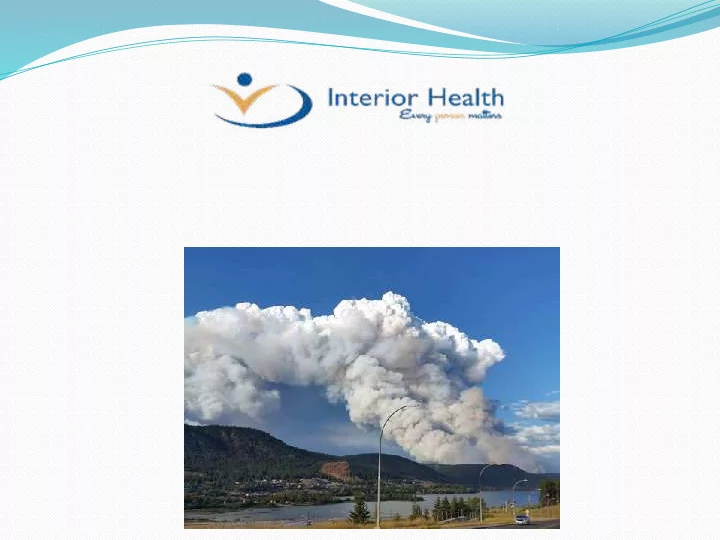
Why Recovery? under a state of emergenc y 900,000 Hectares - - PowerPoint PPT Presentation
77 Days Why Recovery? under a state of emergenc y 900,000 Hectares 262 Burnt Wildfires Cariboo Chilcotin Extreme Largest Wind Wildfires Events in Extreme Provincial 149 Fire History
Chilcotin
under a state of emergenc y
Wildfires
Wind Events
Fire Behaviou r
Wildfires in Provincial History
Changes to Alert and Evacuatio n orders
Hectares Burnt
Given the severity and impact of the unprecedented wildfires throughout the interior BC region last summer, the province of BC and Interior Health Authority have responded by setting aside additional funding to help support the people and communities who are most in need of recovery assistance Boston Flats
MHSU Vulnerable Populations, Prolonged and Cumulative Stress , Layered Trauma, Loss, Hypervigilance, Trigger Events, Family Breakdown, Family Violence,
Recovery includes a coordinated set of actions designed to reduce the effects of disaster. A recovery program implies a deliberate effort to forestall and overcome the adverse impacts of a disaster. Recovery is best understood in the context of the phases of disaster (Danya Institute)
Targeted Model Respecting Diversity
Vulnerable Populations Vulnerability to natural disasters has two sides:
1) the degree of
exposure (susceptibility)
1) the capacity to cope
with or recover (resilience)
mental health issues
symptoms (PTSD) due to being directly impacted by the wildfires, including those who have suffered financial and/or personal losses
Aboriginal peoples, it is recommended that the geopolitical and cultural diversity be taken into consideration
Interior Health Aboriginal Mental Wellness Plan March 24, 2017
The discussions will continue on “how to best respond to large scale crisis; how to mobilize resources and develop right relations; how to support the physical, emotional, mental and spiritual needs of the people, especially Elders and the vulnerable population, and particularly on the backdrop of intergenerational trauma.”
Lisa Hartwick, Tl’etinqox community therapist “The trauma of the wildfires both for those who stayed behind and those who ad to leave is now another layer
already dealing with existing stressors related to the impacts of colonization,” IH Assessment Team
and persistent MHSU clients
supportive counselling and community education for additional vulnerable populations, including First Nations, post-partum caregivers
focusing on the Elderly, Youth Substance Use and outreach to Rural and Remote areas.
Session Therapy Training:
Intent: Utilize wildfire funding to offer this training community wide as a post wildfire recovery initiative to build capacity in existing MHSU service providers Results: Initiation of walk in services in multiple “storefront” locations
If you’ve been having a hard time recovering from a last year’s wildfires or have noticed signs that someone close to you may be struggling, call the Talk in Tough Times tele-health program at 1-877-427-4884 or visit the Facebook page. https://www.facebook.com/ TalkInToughTimes/ MCFD, FNHA, Interior Health / Northern Health, United Way and the Canadian Red Cross, and with support from the Province of BC.
Canadian Red Cross- MHSU Wildfire Recovery Planning
underserved First Nations youth now further impacted by the cumulative and prolonged stress of the 2017 Wildfire Season. Youth Foundry offers young people ages 12-24 health and wellness resources, services and supports – online and through integrated service centres.